Yes. Underfloor heating has many advantages for your health, and in most cases it is significantly better for you than the ducted gas or reverse-cycle systems most Australian homes currently use.
This guide explains exactly why, with evidence from Australian medical research, and covers every health benefit in plain language so you can make an informed decision for your home.
Table of Contents
- Why Your Heating System Affects Your Health
- The Problem with Ducted and Gas Heating
- Is Underfloor Heating Good for Allergies?
- Is Underfloor Heating Good for Asthma Sufferers?
- Does Underfloor Heating Prevent Mould?
- Does Underfloor Heating Dry Out the Air?
- Is Underfloor Heating Safe for Bathrooms?
- Other Health Benefits of Underfloor Heating
- Health Benefits by Room
- Frequently Asked Questions
Why Your Heating System Affects Your Health
Most Australians do not think of their heating system as a health decision. But the way a room is heated affects the air you breathe, the allergens you are exposed to, the quality of your sleep, and how your body responds to the temperature around you. These are not small factors.
Over the course of an Australian winter, most households run their heating system for 3 to 6 hours a day for 13 weeks. That is a significant and repeated exposure to whatever the heating system puts into the air. For a ducted gas system, that means combustion by-products, circulated dust, and dried-out air, every single day. For underfloor heating, it means radiant warmth from below, with no air movement and no combustion at all.
The difference is not trivial, particularly for households with young children, allergy sufferers, asthma patients, or anyone who is health-conscious about their indoor environment.
The Problem with Ducted and Gas Heating
To understand why underfloor heating is good for your health, it helps to understand what the alternatives are doing to your indoor air.
Ducted systems work by moving air. They draw air through a return duct, heat it, and push it through vents into each room. Everything in that duct network travels with it: dust, pollen, mould spores, and pet dander. Research published in The Conversation and reviewed by the Royal Australian College of General Practitioners found that gas heating in households is one of the three strongest triggers for elevated asthma rates in Australian homes, alongside passive smoking and synthetic bedding.
A separate study from UNSW published in 2024 confirmed that any heater burning gas indoors releases nitrogen dioxide, carbon monoxide, and fine particles into indoor air. Both flued and unflued gas heaters contribute to respiratory irritation. The RACGP explicitly recommends eliminating gas heating systems in households where asthma is a concern.
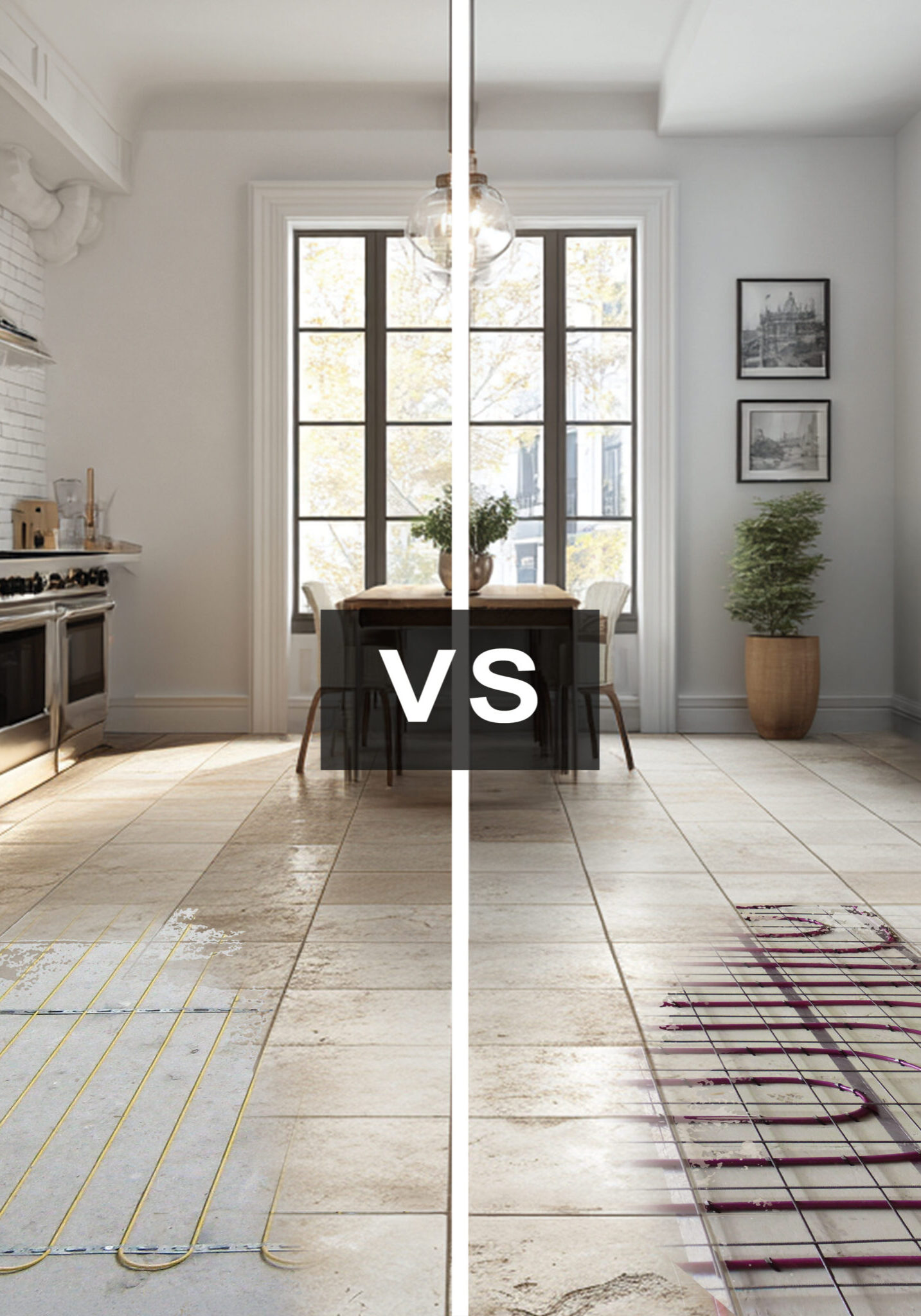
Underfloor heating does none of this. There is no combustion, no air movement, and no duct network. The floor surface heats up and radiates warmth upward into the room. Allergens stay settled. The air stays clean. The room heats silently and evenly.
For a full comparison of ducted and underfloor heating across cost and comfort as well as health, read our guide to ducted heating vs underfloor heating in Australia.
Smarter Heating Ideas,
Delivered Monthly.
Stay in the construction loop with Comfort Heat Australia. Get practical floor heating advice you can use on your next build or renovation, from design inspiration and installation tips to energy-saving know-how and real Australian projects.
Is Underfloor Heating Good for Allergies?
Yes. Underfloor heating is one of the best heating choices available for allergy sufferers in Australia.
The core issue with forced-air heating is that it disturbs settled allergens with every heating cycle. Dust, pollen, dust mite debris, and pet dander settle on surfaces between heating sessions. When the system switches on, the moving air stirs these particles back into the breathing zone. For allergy sufferers, this happens multiple times every day throughout winter.
Underfloor heating has zero air movement. The floor heats up through conduction and radiates warmth upward through natural convection. Settled allergens are not disturbed. Studies have found that underfloor heating can reduce the concentration of dust mites in a home by up to 80% compared to forced-air systems, because the warm, dry floor surface is an inhospitable environment for dust mites, which require moisture to survive.
- No forced air means allergens stay settled rather than being circulated into breathing zones
- Warm, dry floor surfaces are inhospitable to dust mites, which need moisture to survive
- No duct network means no reservoir of collected allergen material to be pushed through the home
- Consistent room temperature reduces the humidity variations that trigger mould spore release
Comfort Heat tip: Bedrooms are where allergen exposure during sleep matters most. A heated bedroom floor eliminates forced air overnight, keeps the room at a consistent temperature, and creates a surface that is actively hostile to dust mites.
Is Underfloor Heating Good for Asthma Sufferers?
Yes. Underfloor heating is the recommended heating choice for Australian households where asthma is a concern, and the evidence for this recommendation is strong.
Published research in peer-reviewed Australian medical literature, reviewed by the RACGP in 2022, identified gas heating as one of the three most significant asthma triggers in Australian homes. Both flued and unflued gas heaters release nitrogen dioxide, which irritates the respiratory tract and can trigger asthma symptoms in sensitive individuals.
The recommendation from this research is clear: in households where asthma is present, gas heating systems should be eliminated if possible. Underfloor heating — particularly electric underfloor heating — addresses every risk factor at once.
| Risk Factor | Gas / Ducted Heating | Underfloor Heating |
| Nitrogen dioxide (NO2) indoors | Present in gas heating | Zero — no combustion |
| Fine particles (PM2.5) | Released by gas combustion | Zero — no combustion |
| Circulated allergens | Every heating cycle | None — no air movement |
| Dust mite population | Supported by humid conditions | Reduced by warm dry floors |
| Mould risk | Higher in humid duct networks | Lower — floors dry faster |
| Dry air / airway irritation | Significant with forced air | Minimal — humidity preserved |
Electric underfloor heating is fully electric, produces no indoor combustion, and creates no air movement. It is the cleanest, quietest, and most asthma-friendly heating system available in Australia.
Does Underfloor Heating Prevent Mould?
Yes. Underfloor heating actively reduces mould risk, which is significant for Australian bathrooms and wellness spaces where moisture is a constant presence.
Mould requires two things to grow: moisture and a surface temperature that allows condensation. Underfloor heating addresses both. A consistently warm floor surface prevents the temperature differential between the floor and the ambient air that causes condensation. Warm surfaces also dry faster after showers, baths, or steam use, removing the standing moisture that mould spores need to establish.
Ducted systems do not address floor-level moisture at all. Duct networks can themselves harbour mould in humid climates, and the forced air they produce can distribute mould spores from one room to another.
For bathrooms specifically, underfloor heating is the most effective passive mould prevention measure available. Our bathroom underfloor heating guide explains how electric in-screed and thin mat systems work in Australian wet area renovations.
Comfort Heat tip: A warm bathroom floor is one of the simplest and most effective ways to keep a wet room mould-free. The system runs for a few hours each morning and evening. It costs less than $65 for an entire Australian winter. And it prevents the condensation that causes mould before it starts.
Does Underfloor Heating Dry Out the Air?
No. This is one of the most common misconceptions about underfloor heating, and it is worth addressing clearly.
Ducted heating dries the air significantly. It works by heating air and circulating it through the room. As the air heats, its relative humidity drops. This leads to dry skin, irritated nasal passages, dry eyes, and increased vulnerability to respiratory illness in winter.
Underfloor heating warms surfaces, not air. The floor heats up and that warmth radiates upward. The air in the room reaches temperature gradually through convection, without being forced through a heat exchanger. The natural humidity level of the room is preserved. For people who wake up with a dry throat in winter after a night of ducted heating, this difference is immediately noticeable.
Preserved indoor humidity also benefits skin health, wooden furniture and flooring, and musical instruments. It is one of those quiet advantages of underfloor heating that most homeowners only notice after they have switched.
Is Underfloor Heating Safe for Bathrooms?
Yes. Electric underfloor heating is the safest heating option available for Australian bathrooms, and it is specifically designed for use in wet areas.
There are no exposed heating elements. There is no risk of water contact with any active part of the system. The heating cables or mats sit beneath the tile and waterproofing layers, completely sealed from the room above. All Comfort Heat bathroom systems must be installed by a licensed electrician with RCD (residual current device) protection, and all meet or exceed Australian standards.
Portable heaters and heated towel rails — the most common bathroom heating alternatives — both carry real risks. Portable heaters are a fire and electrocution hazard in wet areas. Heated towel rails are a burn risk for young children. Underfloor heating eliminates both risks entirely. Read more in our full guide to whether floor heating is safe and our dedicated bathroom underfloor heating guide.
Other Health Benefits of Underfloor Heating
Improved Sleep Quality
Ducted heating runs a fan throughout its operation. That low-level mechanical noise affects sleep quality, particularly in light sleepers and young children. Underfloor heating is completely silent. Combined with the allergen reduction and preserved humidity, a heated bedroom with underfloor heating creates a significantly better sleep environment than any forced-air system.
For bedrooms with carpet, Carpet Heating Mats are designed specifically for use under existing or new carpet. For timber floors, Under Timber Electric Mats deliver the same silent warmth.
Improved Circulation and Joint Comfort
Radiant warmth from the floor promotes blood circulation in the feet and legs, which is particularly beneficial for older Australians and those with conditions such as arthritis or Raynaud's phenomenon. Consistent, gentle warmth from below is more effective for joint comfort than heated air above, which does not warm the body's extremities as directly.
Cold, hard tile is one of the most common complaints in Australian bathrooms and kitchens during winter. Underfloor heating removes that entirely. The floor is warm when you step on it. Your feet warm first. Circulation improves naturally.
Nervous System and Relaxation Response
Warm feet trigger the parasympathetic nervous system response: the state your body enters for rest, digestion, and recovery. Cold tile underfoot does the opposite, activating the sympathetic stress response. This is not abstract wellness language. It is a documented physiological mechanism that explains why warm floors in bathrooms and bedrooms feel so fundamentally different from warm air from a ceiling vent.
Health Benefits of Underfloor Heating by Room
Different rooms carry different health priorities. Here is how underfloor heating addresses each one.
| Room | Primary Health Benefit | Recommended System |
| Bathroom | Prevents mould; eliminates portable heater risk; safe in wet areas; warm dry floors | Thin Heating Mat or Electric Screed Cable |
| Bedroom | No allergens disturbed during sleep; silent operation; dust mite reduction; preserved humidity | Carpet Heating Mat or Under Timber Mat |
| Kitchen | Warm surface underfoot during long periods of standing; no forced air while cooking | Electric Screed Cable or Thin Heating Mat |
| Living area | Consistent temperature; no allergens circulated; no noise disruption | Electric Screed or Hydronic In-Screed |
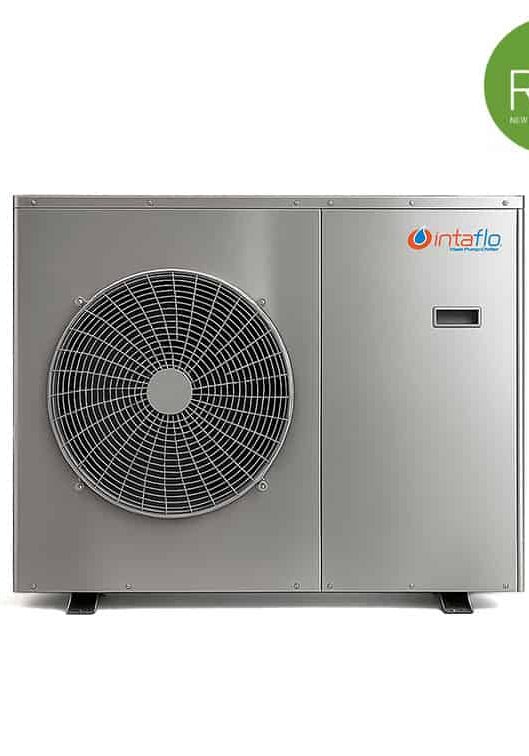
| Whole home (new build) | Complete elimination of forced air and combustion heating; solar compatible | Hydronic In-Screed with Intaflo Heat Pump |
For a detailed guide on choosing the right system for each room, use the Comfort Heat Product Finder or read our guide to electric vs hydronic underfloor heating to understand which approach suits your project.
Ready to make the switch to healthier heating?
Contact Comfort Heat for a free consultation and a custom design layout for your home.
Frequently Asked Questions
Is underfloor heating good for your health?
Yes. Underfloor heating produces no air movement and no combustion. This means no dust, allergens, or combustion by-products are circulated through the home. Australian medical research identifies gas heating as one of the top three asthma triggers in domestic settings. Underfloor heating eliminates that risk entirely.
Is underfloor heating good for asthma?
Yes. Underfloor heating is strongly recommended for households where asthma is present. Research reviewed by the Royal Australian College of General Practitioners identifies gas heating as a significant asthma trigger due to nitrogen dioxide emissions. Electric underfloor heating produces no combustion and no forced air, removing all heating-related asthma risk factors.
Is underfloor heating good for allergies?
Yes. Because underfloor heating has no air movement, it does not circulate dust, pollen, or pet dander. Studies show underfloor heating can reduce dust mite populations by up to 80% compared to forced-air systems. The warm, dry floor surface is inhospitable to dust mites, which require moisture to survive.
Does underfloor heating cause dry air?
No. This is a common misconception. Underfloor heating warms surfaces rather than air, which preserves the natural humidity of the room. Ducted heating dries the air significantly as it heats it. Underfloor heating does not, which benefits skin, airways, and wooden floor coverings.
Does underfloor heating prevent mould?
Yes. A consistently warm floor surface prevents the temperature differential that causes condensation, and warm surfaces dry faster after showers and steam use. Both factors reduce mould risk significantly compared to unheated or conventionally heated bathrooms.
Is underfloor heating safe for children?
Yes. It is one of the safest heating options for Australian families. There are no hot vents, no exposed elements, no combustion, and no risk of contact with any active part of the system. There is also no forced air distributing allergens. Children can play directly on heated floors without any safety concern.
Ready to find out more?
Every great project starts with a conversation. Talk to the team here at Comfort Heat today for honest, expert advice on heating your bathroom.